☀
Sun Blocking & Heat Control Window Film

Sun blocking film — also called heat control or solar window film — is a thin layer applied to the inside of your existing glass that blocks a large share of the sun's heat before it enters the room.
It's the most common project we run in San Antonio, and it's also the one where matching the film to your glass matters most. A west-facing living room with dual-pane Low-E glass needs a different film spec than an east-facing single-pane bedroom window, so we measure and check your glass type room by room rather than quoting a single blanket product for the whole house.
The result: cooler rooms, lower AC bills, and windows that still look and feel like windows — not darkened inside, not mirrored outside.
- Room-by-room glass assessment before we quote
- Spectrally selective film options that don't darken the room
- Safe for dual-pane and Low-E glass when properly specified
- Free on-site estimate before any work begins

Ceramic tint uses non-metallic, nano-ceramic particles instead of the metal layers found in older solar films. That means it rejects a very high percentage of infrared heat — the part of sunlight you feel as warmth on your skin — without interfering with cell signal, Wi-Fi, garage door remotes, or satellite reception.
It's our top recommendation for west-facing rooms, home offices, and anywhere heat rejection matters most. Older films could only cut heat by going dark — the darker the film, the more heat it blocked, which is why cheap tint jobs often left rooms feeling dim and windows looking almost black from outside. Ceramic film breaks that trade-off: a lighter, natural-looking ceramic film can reject as much heat as a much darker older-style film, so you get the comfort without the "blacked-out" look.
- High infrared heat rejection without signal interference
- Won't fade, purple, or bubble the way older dyed film can
- Best option for dual-pane Low-E glass in most cases
- Backed by a lifetime manufacturer warranty
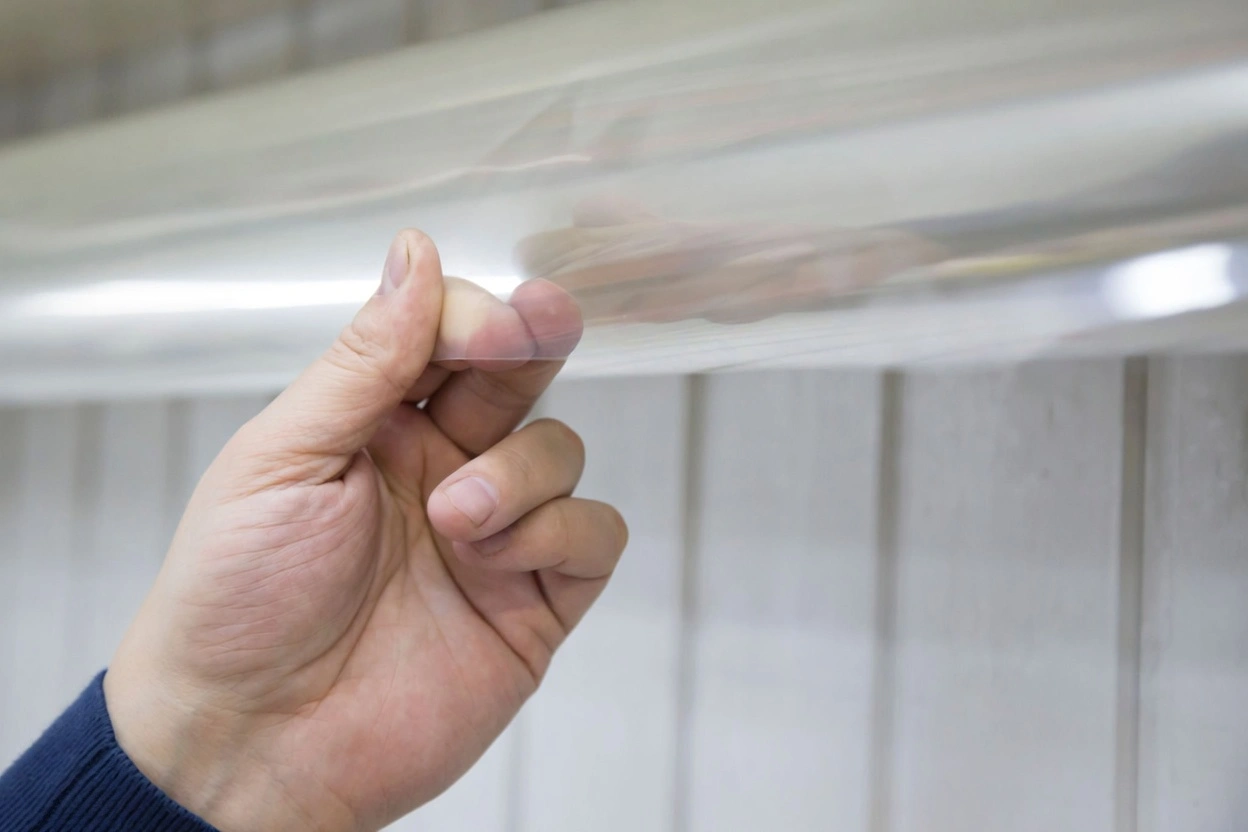
If your main priority is protecting floors, rugs, furniture, and artwork rather than cooling the room, a nearly clear UV-blocking film is often the budget-friendly answer — you're not paying for heat-rejection performance you don't need. It lets in plenty of natural light while stopping up to 99% of UV rays, the single largest cause of fading.
One caveat: while UV is the biggest fading culprit, heat and visible light contribute too, so this film dramatically slows fading rather than stopping it entirely. If you want maximum fade protection and cooler rooms, a ceramic window tint blocks the same 99% of UV plus the heat.
- Blocks up to 99% of UV — the single largest cause of fading
- Virtually clear: barely visible once installed
- Budget-friendly when fading is your only concern
- Pairs well with skylights, sunrooms, and historic-district glass
👁
Privacy Tint for Home Windows
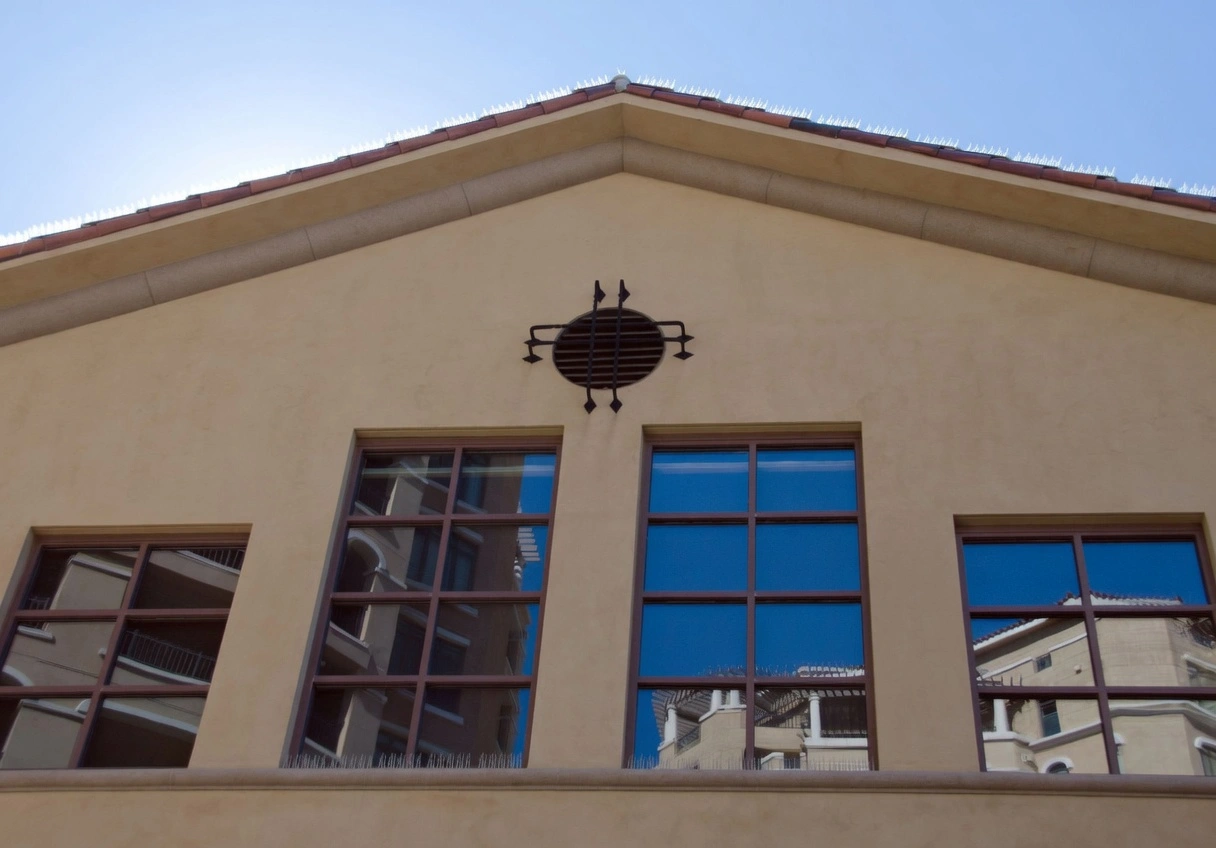
One-way privacy tint — also known as mirror window film or reflective window tint — is a popular choice for front-facing living rooms, home offices near the street, sliding glass doors onto the patio, and homes with close neighbors. During the day it gives your windows a subtle mirrored look from outside while you keep a clear view from inside, meaning no need to close blinds to keep neighbors and passersby from seeing in.
But it's worth knowing that this daytime effect reverses at night once your interior lights are on — which is exactly why we don't recommend it everywhere. For bathroom windows and front-door glass, where you need privacy around the clock and don't need a view out, frosted window film is the better tool: it works day and night regardless of lighting. We walk every homeowner through which film fits which window, room by room.
- Daytime privacy without losing your outward view
- Great for front rooms, home offices, and sliding glass doors
- Available in mirrored or subtler, HOA-friendly neutral tones
- Bathrooms and entry glass? We'll point you to frosted instead
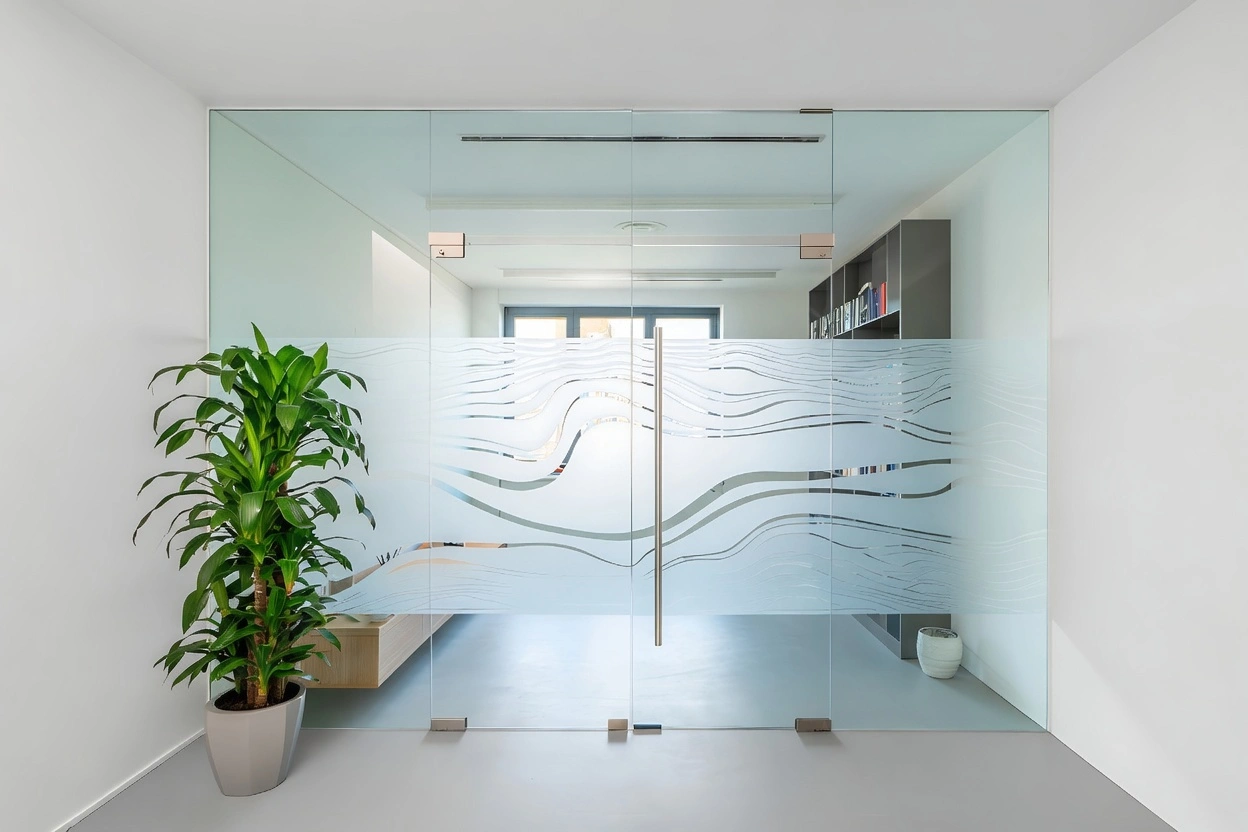
Frosted, etched, and patterned film delivers privacy that works around the clock — unlike one-way mirror tint, it doesn't depend on lighting, so it screens just as well at night with the bathroom light on as it does at noon. That makes it the right tool for bathroom windows, front doors with sidelights, home offices with interior glass, and pantry or laundry room windows where you want light without a clear view through.
Since standard frosted film is decorative rather than solar-rated, depending on your glass type, we can either layer a heat-rejecting film with the frosted look or spec a frosted film with solar performance built in, if you prefer privacy and heat control in the same window.
- Privacy that works day and night, lights on or off
- Frosted, etched, and custom pattern options
- The popular pick for bathrooms, entry glass, and shower enclosures
- Can be custom cut for sidelights, transoms, and odd shapes
Security film is a thicker, reinforced film applied with an attachment system that holds glass together instead of letting it shatter into the room. You'll often see it sold as shatterproof window film, though shatter-resistant is the more accurate word: the glass can still crack, but the film keeps a broken pane in one piece rather than spraying shards. In San Antonio, that matters most during storm season: the same severe storms that made local hail history can send hailstones, branches, and wind-blown debris into windows and sliding doors. It also slows forced entry, since an intruder has to keep working through glass that's still held in place.
One thing we'll tell you straight: no window film is bullet resistant. If you've seen bullet resistant window film advertised, be skeptical — true ballistic protection requires laminated glass systems, not film. What security film genuinely delivers is storm debris protection, break-in delay, and everyday accident safety, and it's commonly used on ground-floor windows and sliding glass doors.
- Holds shattered glass together instead of spraying into the room
- Shatter-resistant protection for storms, break-ins, and accidents
- Common on ground-floor windows and sliding glass doors
- Can be combined with solar or UV protection in one film
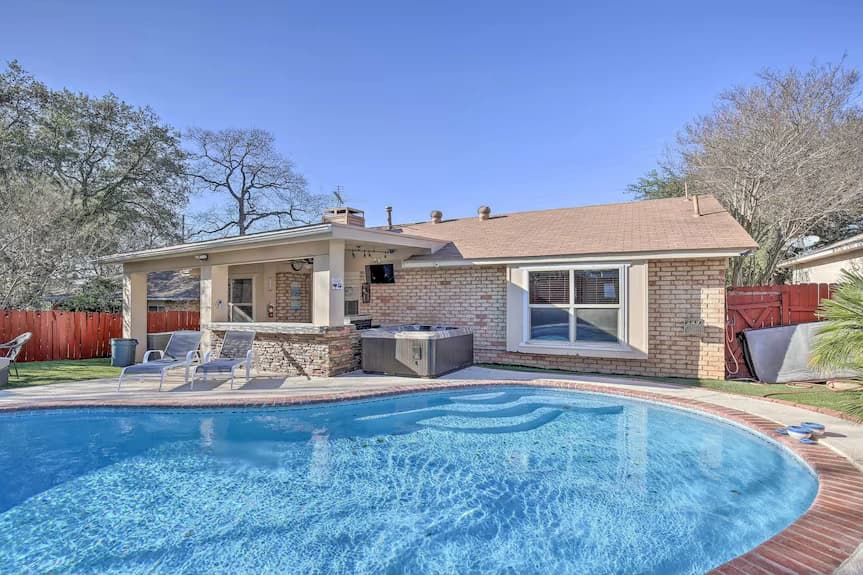
Homes with a backyard pool, a west-facing home office, or a great room with a wall-mounted TV often deal with harsh reflected glare in the afternoon that makes screens hard to see and rooms uncomfortable to sit in. Add the light-colored limestone patios and pool decks common across San Antonio and the Hill Country, and the bounce-back glare gets even worse.
We can install film specifically to knock down that glare without over-darkening your space.
- Cuts harsh reflected glare off pools and limestone hardscape
- Improves TV and monitor visibility in bright rooms
- Ideal for home offices with west or south-facing windows
- Balanced for comfort, not just maximum darkness
🌿
Turf Protection Window Film
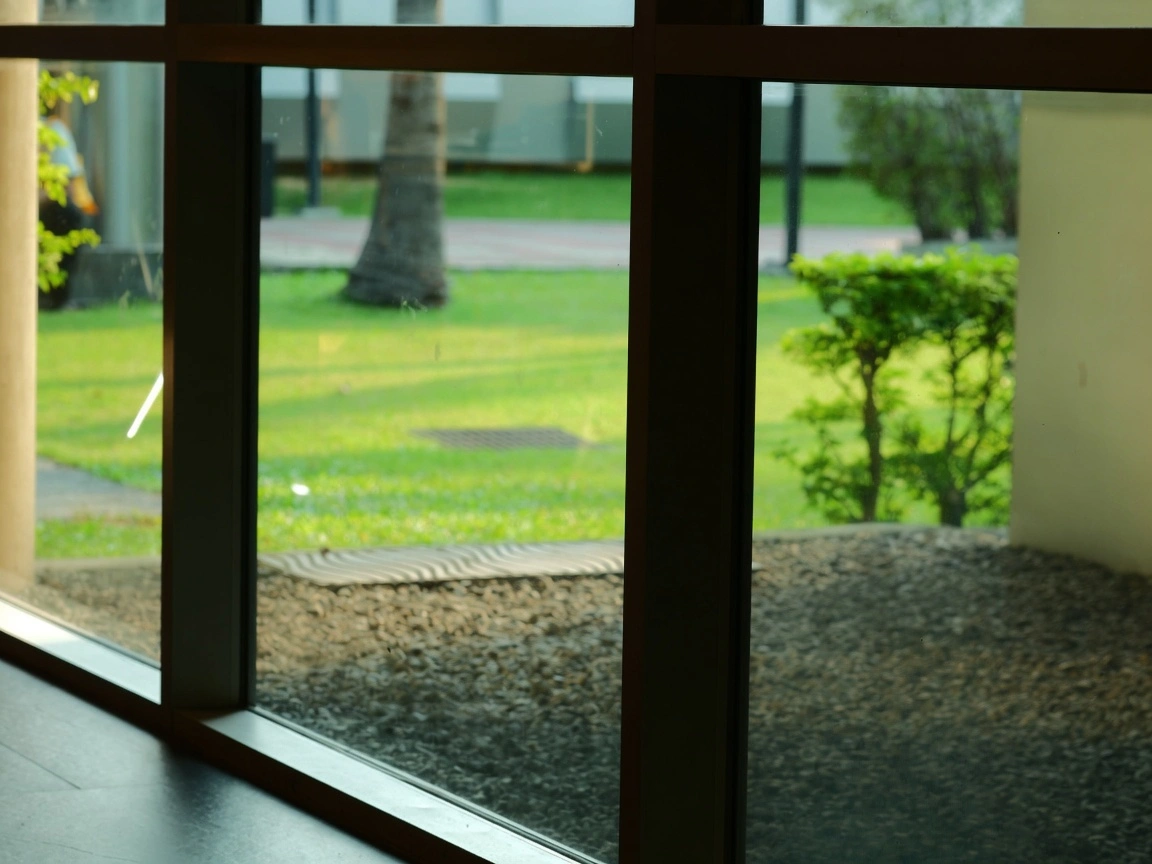
Ever see a brown "scorch stripe" on your artificial turf that tracks with the sun? Low-emissivity (Low-E) window coatings, while great for energy efficiency, can reflect and concentrate sunlight onto whatever's nearby — and that concentrated heat can be enough to melt or discolor turf. With watering rules pushing more San Antonio homeowners toward artificial turf every year, we see this problem more and more. The effect is strongest on windows with a slight concave curve, where the glass focuses the reflection onto one narrow spot instead of spreading it out.
We install exterior anti-reflective films designed specifically to diffuse that reflection before it leaves the glass. This way, you can protect your turf investment for the long-term.
- Stops window reflections from melting artificial turf and vinyl fences
- Exterior-mounted film engineered for direct Texas sun exposure
- Also reduces bird strikes on large reflective windows
- A fraction of the cost of replacing melted turf panels
🏘
HOA & New-Build Window Film
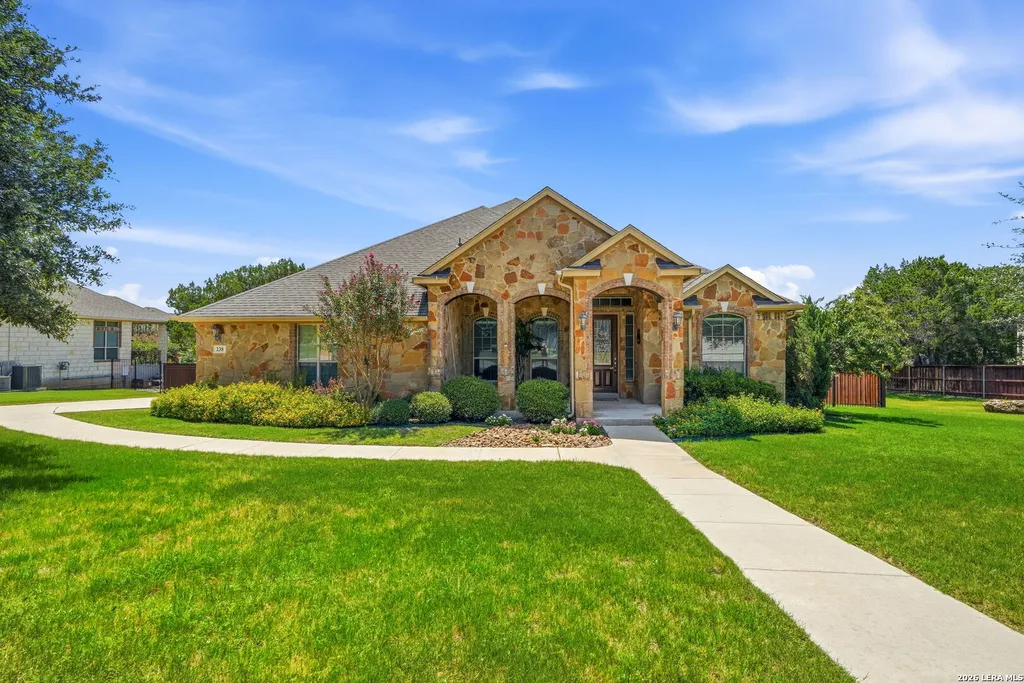
Many newer San Antonio communities including Stone Oak, The Dominion, Alamo Ranch, Cibolo Canyons have architectural guidelines on how window film can look from the street, usually requiring a neutral, non-mirrored appearance. We check your specific community's guidelines before recommending anything, and can help you pick a neutral, spectrally selective film built to meet them.
Also, some window manufacturers publish an approved list of films for their Low-E glass, since the wrong film can raise glass temperature enough to cause thermal stress cracking. We check your window manufacturer before recommending a film, so what we install protects your glass warranty.
- Neutral, non-mirrored film matched to your HOA's guidelines
- Film selected to work with your window manufacturer's warranty
- Documentation provided for HOA architectural review submissions
- Experience across San Antonio's newer master-planned communities
🏢
Commercial Window Tinting for Offices & Storefronts

The same heat that bakes homes hits businesses even harder — bigger glass, longer occupied hours, merchandise in the window. Office window tinting keeps your space workable through afternoons and cuts screen glare, while storefront tinting protects displayed inventory from UV fading without darkening the storefront — a balance we spec carefully, since retail glass has to sell as well as shade.
For ground-floor retail along high-traffic corridors, we also install anti-graffiti film — a clear layer that takes the tagging, etching, or scratches, then peels off and gets replaced for a fraction of the cost of new glass. And if you own a rental property, window tint pays for itself in cooling costs between guest stays and fewer hot-unit complaints. If a board or committee needs reflectivity specs and samples for approval, we have that paperwork ready upfront.
- Office and storefront tinting with after-hours installs
- Anti-graffiti film for ground-floor and street-facing glass
- Rental and vacation-property packages with volume pricing
- Samples and spec sheets ready for board and ARC approval